

CBD sounds like just another trendy supplement, but the science is far from hype. More than 30 percent of UK adults have tried CBD, and interest keeps growing each year. It might sound unlikely, but this natural compound is now showing potential to help regulate your immune system — not just your mood.
TL;DR: CBD interacts with CB2 receptors in immune cells, potentially reducing inflammation, regulating T cell activity, and supporting immune balance. It doesn’t simply suppress or boost immunity — it tends to support the body’s own regulatory mechanisms. Research is still developing, but the early picture is genuinely interesting for anyone dealing with chronic inflammation or immune imbalances.
Table of Contents
- What Is CBD And Its Role In Health?
- How The Immune System Functions In The Body
- Why CBD May Influence Immune Responses
- Key Concepts Of CBD’s Interaction With The Immune System
Quick Summary
| Takeaway | Explanation |
|---|---|
| CBD is a non-psychoactive cannabinoid. | Unlike THC, CBD offers potential health benefits without producing a mind-altering effect. |
| CBD may support immune system balance. | It interacts with cannabinoid receptors, potentially easing immune responses and inflammation. |
| Consult professionals before using CBD. | Always get advice from healthcare providers to ensure safe use and product quality. |
| Studies suggest CBD aids stress and sleep. | Preliminary research suggests it may help with stress management and improving sleep quality. |
| Immune responses vary among individuals. | Individual physiological differences mean CBD’s effects can vary, so personalised approaches matter. |
What is CBD and Its Role in Health?
Cannabidiol (CBD) is a natural compound extracted from hemp plants, with potential therapeutic applications across several health areas. As a non-psychoactive cannabinoid, it interacts with the body’s endocannabinoid system in a unique way — offering real possibilities for wellness and physiological balance.
Understanding CBD’s Basic Composition
CBD belongs to a group of chemical compounds called cannabinoids, found naturally in Cannabis sativa plants. Unlike tetrahydrocannabinol (THC), it doesn’t produce mind-altering effects — which makes it an attractive option for people looking for potential health benefits without the “high.”
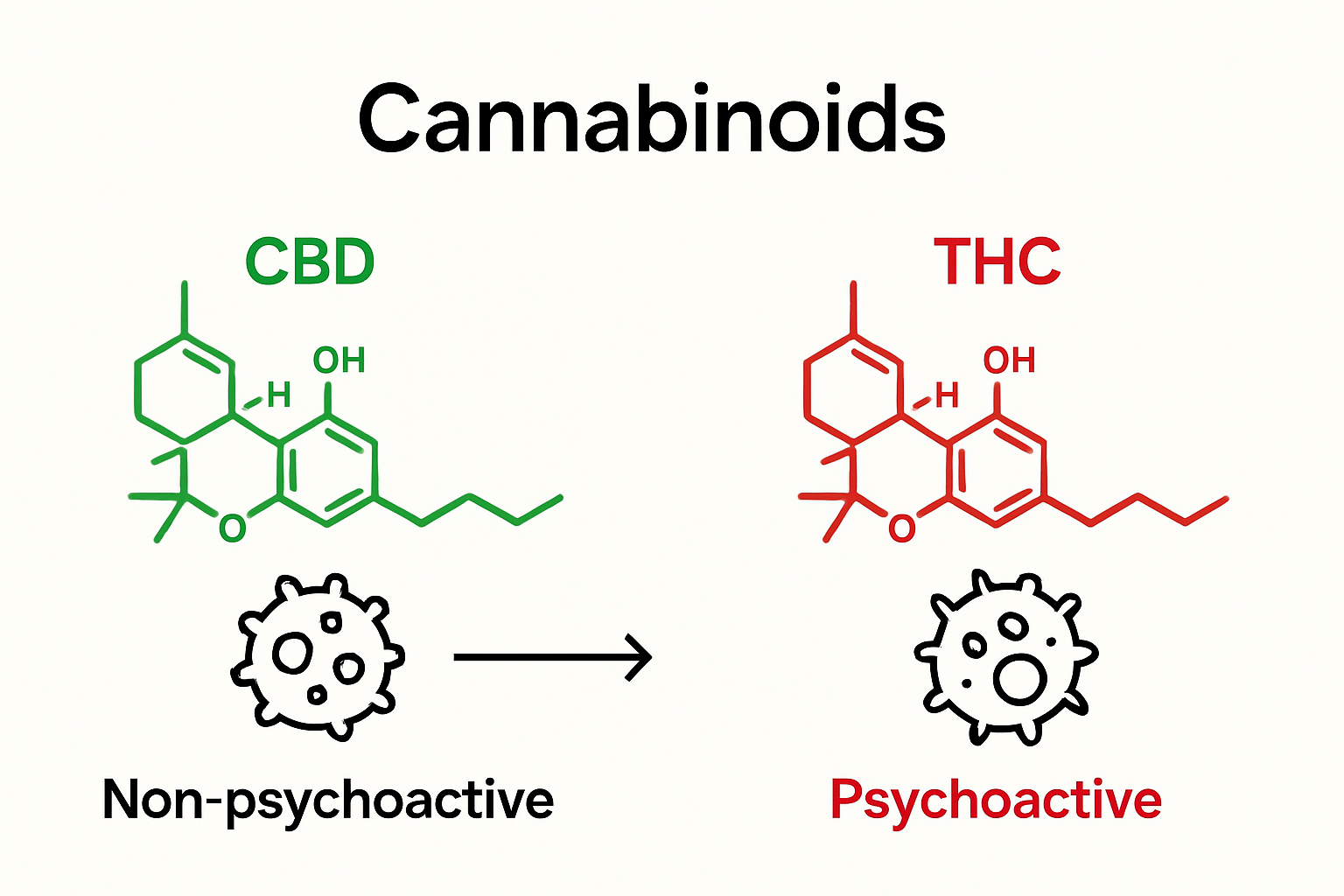
According to research from the National Center for Biotechnology Information, CBD shows notable interactions with the human immune system. These interactions suggest potential anti-inflammatory properties and an ability to modulate immune cell responses — which could be useful for managing various health conditions.
Potential Health Implications
Researchers have been looking at CBD’s potential contributions to wellness across several areas:
- Supporting stress management
- Promoting relaxation and sleep quality
- Potentially reducing inflammatory responses
- Helping manage physical discomfort
While scientific understanding is still developing, early studies point to CBD’s complex interactions with bodily systems. Learn more about cannabinoid interactions to understand how these natural compounds might support overall wellness.
The emerging body of CBD research highlights its potential as a multi-faceted natural compound. That said, anyone considering CBD should talk to a healthcare professional first and source products from reputable manufacturers.
How the Immune System Functions in the Body
The immune system is a sophisticated biological defence mechanism that protects the human body against all kinds of health threats. It’s a complex network of specialised cells, tissues, and molecular signals that continuously monitors and responds to potential risks — keeping overall physiological balance intact.
Core Components of Immune Defence
The immune system has two primary response mechanisms: innate and adaptive immunity. Innate immunity gives immediate, non-specific protection against invading organisms. Adaptive immunity builds specific strategies to fight particular pathogens over time.
According to research from the National Institutes of Health, the immune system involves several key components:
- White blood cells (leukocytes) that identify and neutralise threats
- Antibodies that flag harmful microorganisms for destruction
- Complex molecular signalling networks that coordinate immune responses
- Physical barriers like skin and mucous membranes that prevent pathogen entry
Immune System Response Mechanisms
When the body encounters a threat, immune cells activate through a sophisticated communication process. Specialised cells like macrophages and neutrophils respond quickly to inflammation, while lymphocytes generate precise antibody responses targeted at specific pathogens.
This dynamic system doesn’t just defend against external threats — it also monitors internal cellular processes, identifying and clearing abnormal or damaged cells. Explore our overview of immune system interactions for more on this remarkable biological defence network.
Understanding the immune system’s complexity shows how delicate the balance is for optimal health. Each person’s immune response is unique, shaped by genetics, lifestyle, nutrition, and overall wellness.
The table below compares the two primary immune response types for easier reference.
| Immune Response Type | Key Characteristics | Example Components |
|---|---|---|
| Innate Immunity | Immediate, non-specific defence | Skin, mucous membranes, macrophages |
| Adaptive Immunity | Develops specific strategies against particular threats | Lymphocytes, antibodies |
Why CBD May Influence Immune Responses
Understanding how CBD interacts with the immune system reveals a complex relationship of potential modulation and regulation. CBD shows real promise in influencing immune responses through cellular mechanisms that go beyond what traditional pharmacological interventions typically do.
Molecular Interaction Pathways
CBD works with the body’s endocannabinoid system through specialised receptors — particularly CB1 and CB2 receptors located throughout immune cells. This interaction may allow CBD to ease inflammatory responses and immune cell signalling, supporting physiological balance.
According to research from immunological studies, CBD shows several key interactions with immune system components:
- Regulating T cell activity and proliferation
- Reducing pro-inflammatory cytokine production
- Promoting apoptosis in specific immune cells
- Easing molecular signaling pathways
Sound familiar? This is the same mechanism that explains why CBD tends to help with chronic inflammation rather than short-term acute responses.
Potential Immunomodulatory Mechanisms
The immunomodulatory properties of CBD suggest a two-way regulatory effect. Rather than simply switching immune function up or down, CBD appears to help restore balanced immune responses. This subtle approach sets it apart from more aggressive pharmaceutical interventions.
Learn more about CBD’s immune system support to understand how this natural compound might contribute to overall wellness. The emerging research suggests CBD’s potential to support the body’s own regulatory mechanisms without causing widespread systemic disruption.
Researchers are still working out the precise mechanisms. And because individual immune function varies so much, CBD’s effects can differ significantly between people — which is why personalised approaches to wellness matter here.
The table below gives a concise overview of how CBD interacts with core elements of the immune system.
| CBD Interaction | Impact on Immune System |
|---|---|
| Easing T cell activity | Regulates immune cell proliferation and activation |
| Reducing pro-inflammatory cytokines | Lowers inflammatory responses |
| Promoting apoptosis in immune cells | Helps remove overactive or unnecessary cells |
| Influencing molecular signalling pathways | Alters how immune responses are coordinated and maintained |

Key Concepts of CBD’s Interaction with the Immune System
CBD’s approach to immune system modulation is more sophisticated than most people expect. The relationship between CBD and immune function involves intricate pathways of cellular communication and potential regulatory mechanisms that we’re only beginning to understand fully.
Receptor Engagement and Signaling
CBD works primarily with the endocannabinoid system through cannabinoid receptors — particularly CB2 receptors found predominantly in immune cells. This interaction allows for nuanced modulation of immune responses, potentially affecting inflammation and cellular signalling processes.
According to research from molecular immunology studies, CBD shows several important interaction mechanisms:
- Reducing pro-inflammatory cytokine production
- Easing T cell proliferation and activity
- Influencing cellular apoptosis in immune system components
- Regulating molecular signaling pathways
Immunomodulatory Potential
Unlike traditional pharmaceutical interventions, CBD doesn’t just suppress or stimulate immune function — it appears to support homeostatic balance, helping the body maintain optimal immune responses without widespread disruption. In our experience, this is one of the things that makes CBD particularly interesting for people dealing with autoimmune conditions or chronic inflammation.
Get into the deeper science behind CBD’s immune support to understand how this natural compound might contribute to overall wellness. The emerging research suggests CBD’s potential to provide subtle yet meaningful immune system modulation.
Scientific understanding is still developing here. Researchers acknowledge the complexity of CBD’s interactions and note that individual physiological variations mean effects can differ substantially between people.
Ready to Support Your Immune Health with Trusted CBD?
You’ve just seen how CBD can interact with the immune system and may help promote balanced wellness. Many Canadians have trouble finding reliable CBD products designed to match their specific health needs. Looking for a way to put this science to practical use? Check out our carefully curated health-focused CBD solutions. We offer oils, extracts, and topicals available exclusively in Canada, with clear information on purity and effectiveness.

Take your next step toward a more balanced and informed approach to wellness. Visit Buy Mellow to look at the products and read our dosage guidance for confident decisions. Your immune support journey can start today with premium CBD selections you can trust.
Frequently Asked Questions
What is CBD and how does it interact with the immune system?
CBD, or cannabidiol, is a natural compound from hemp plants. It works with the body’s endocannabinoid system, particularly CB2 receptors found in immune cells, potentially easing immune responses and inflammatory processes.
Can CBD help with inflammation in the body?
Preliminary studies suggest CBD may help reduce inflammatory responses by reducing pro-inflammatory cytokine production and regulating T cell activity, helping manage various health conditions.
Is CBD safe to use for immune support?
Many people find CBD a safe option for wellness, but you’ll want to talk to a healthcare professional before starting, especially if you have underlying health conditions or take other medications.
How does CBD differ from traditional pharmaceuticals in immune regulation?
Unlike traditional pharmaceuticals that may aggressively stimulate or suppress immune function, CBD appears to support homeostatic balance, helping the immune system maintain optimal responses without causing widespread disruption.
Recommended
- How Can CBD Help Your Immune System?
- Can CBD Help Autoimmune Diseases?
- Understanding CBD and Meditation
- Compare CBD Oils
Sources & External Research
- National Library of Medicine (PubMed): Clinical Studies on Cannabidiol (CBD)
- World Health Organization (WHO): Cannabidiol (CBD) Critical Review Report
Note: Links to external research are provided for informational purposes only and do not constitute medical claims by Buy Mellow.