
Oils and Tinctures
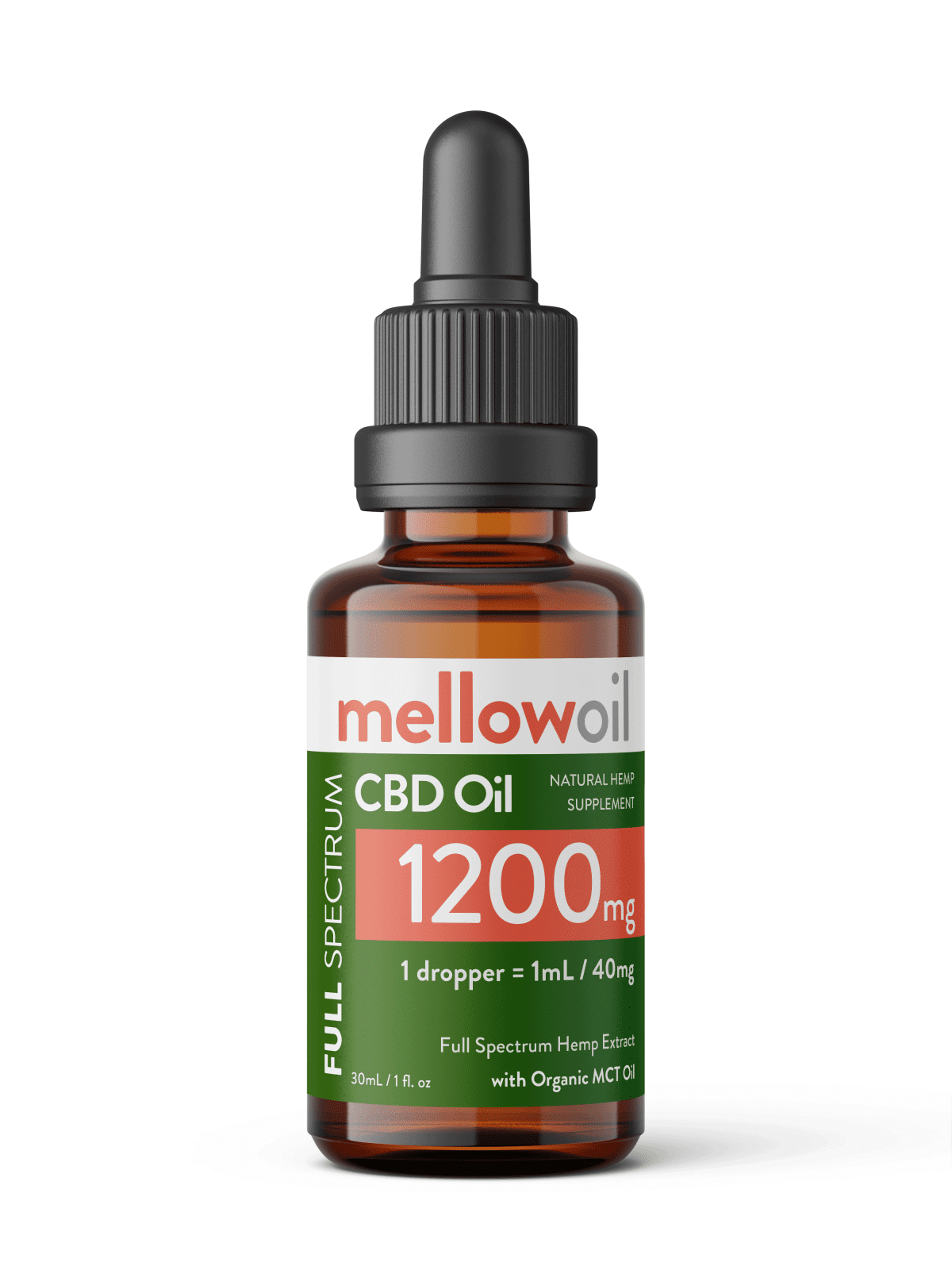
Mellow Oil Full Spectrum CBD Oil 30ml with 1200mg Cannabidiol / 40mg CBD per mL
★★★★★★81
$52.00 CAD
CBD has been off WADA's banned list since 2018 and is growing in use among Canadian athletes. Here's what the evidence says about recovery, sleep, and how to use it without THC risk.

CBD's use in athletic communities has grown steadily since the World Anti-Doping Agency (WADA) removed cannabidiol from its prohibited substances list in January 2018. Not because athletes are chasing a psychoactive effect — CBD has none — but because it addresses two things that matter in training: recovery quality and sleep.
Here's what the evidence actually supports.
Post-training inflammation. Intense exercise triggers acute inflammation as part of the muscle repair process — that's normal and necessary. But in athletes with high training volumes, chronic or excessive inflammation can impair recovery timelines and lead to persistent soreness. CBD's anti-inflammatory properties are among its most studied effects in preclinical research, with human data that's consistent with, if not as robust as, the animal findings.
Sleep quality. Sleep is when recovery actually happens — muscle protein synthesis, growth hormone secretion, and neural consolidation all require quality sleep. CBD consistently shows up in user data and smaller clinical studies as improving sleep onset and reducing nighttime disruption, particularly in high-stress or high-training contexts. This is probably its most established benefit.
Localised discomfort. Topical CBD absorbs transdermally and interacts with peripheral cannabinoid receptors in muscle and connective tissue. Many athletes use it directly on problem areas — joints, tendons, areas of chronic soreness — as part of post-training recovery.
Pre-competition nerves. CBD's anti-anxiety effects are documented in human studies. For athletes managing performance anxiety without wanting sedation or cognitive impairment, CBD is a reasonable option.
CBD works at the margins. It's a supporting tool, not a performance compound.
For recovery (post-training):
Full spectrum CBD tinctures taken sublingually after training. Full spectrum is the most common choice among athletes open to trace cannabinoids — the combination of multiple cannabinoids tends to be favoured for recovery applications. 25–50mg post-workout is a common range.
CBD topicals applied directly to sore muscles, joints, and connective tissue. The extra-strength XL relief stick is designed for this — portable, concentrated, and suitable for direct post-activity use.
For sleep:
25–40mg, 30–60 minutes before bed. Adding CBN isolate to an evening dose is worth considering — CBN is specifically associated with sleep support and stacks cleanly with CBD in a DIY tincture or blended oil.
For zero-THC requirements:
If you're subject to drug testing, CBD isolate is the correct format. Pure CBD — no THC, no other cannabinoids. You can dissolve it in MCT oil to make a precise-concentration tincture, or add it to a post-workout shake. You control exactly what goes in.
Use the Mellow CBD Dosage Calculator to get a personalized starting dose based on your weight and training goal — takes 30 seconds.
Most athletic use falls in the 25–50mg per dose range, which is higher than general wellness use. This reflects higher average body mass and the more specific demands of training recovery.
Start at 25mg and assess over one to two weeks. If sleep quality and next-day soreness don't measurably shift, increase in 10mg increments.
Topicals work independently of systemic dosing — applying a topical doesn't replace an oral dose and vice versa. They address different physiological targets.
CBD is not prohibited by WADA or the Canadian Centre for Ethics in Sport (CCES). However:
If you're a competitive athlete subject to in-competition testing, CBD isolate is the only format that eliminates THC risk entirely. Other formats carry a small but real risk.
A simple framework for athletes incorporating CBD:
Adjust based on training load. Higher-volume training weeks may warrant higher doses.
Try the CBD Dosage Calculator → — get a starting dose and format recommendation matched to your training goals.
The case for CBD in athletic contexts rests on its anti-inflammatory and sleep-quality mechanisms — both areas with solid research foundations. It's not a shortcut, but for athletes who are already doing the fundamentals right, it's a rational addition to a recovery protocol.
The information in this article is for educational purposes only and is not intended as medical advice. Always consult with a healthcare professional before starting any new supplement, including CBD products.
Sources & Further Reading
Oils and Tinctures

Oils and Tinctures
Oils and Tinctures

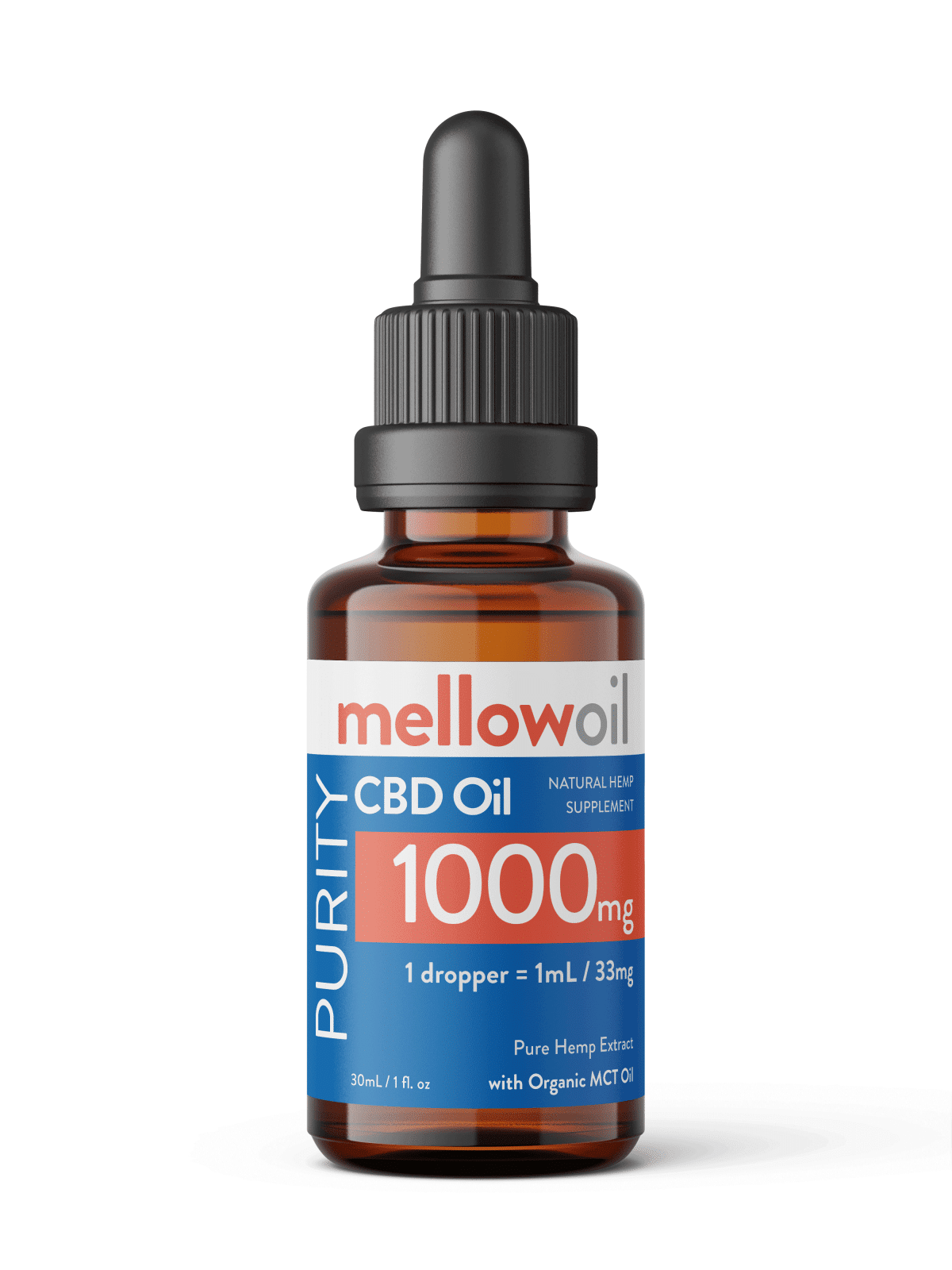
Weight-based CBD dosing chart for Canadians. Find your starting dose in mg based on body weight, use case, and product type — plus a free calculator to personalize it further.
CBD isn't a weight loss drug — but there's real science behind how it may support better sleep, lower stress, and a healthier metabolism. An honest look at the evidence.

CBD quiets a racing mind; CBN promotes physical drowsiness. Together, they offer a non-habit-forming natural sleep approach. Here's how they work, how to dose them, and what to look for in a product.