June Savings20% off oils & isolates · orders over $80 · free shipping $120+Shop the Sale
education·By Mallory Milne··7 min read

What Is CBD Oil? A Complete Guide for Canadians

New to CBD? We break down what cannabidiol is, how it works in the body, why full-spectrum differs from isolate, and what to look for when buying CBD oil in Canada.

Close-up of green hemp plant leaves in natural light

What Is CBD?

CBD — short for cannabidiol — is a naturally occurring compound found in the hemp plant (Cannabis sativa). Unlike THC (tetrahydrocannabinol), CBD is non-intoxicating: it won't get you high, and it won't appear on a standard workplace drug test at normal doses.

Today, CBD oils, capsules, topicals, and gummies are widely available and used by hundreds of thousands of Canadians for everyday wellness support.

How CBD Works in the Body

Your body has a built-in system called the endocannabinoid system (ECS). It's a network of receptors (CB1 and CB2) that helps regulate mood, sleep, inflammation, immune response, and pain perception.

CBD doesn't bind directly to these receptors the way THC does. Instead, it modulates them indirectly — slowing the breakdown of your body's own endocannabinoids so they can work longer and more effectively. This gentle, regulatory effect is why CBD is so well-tolerated even at high doses.

Full Spectrum vs. Broad Spectrum vs. Isolate

Not all CBD is the same. Here are the three main types:

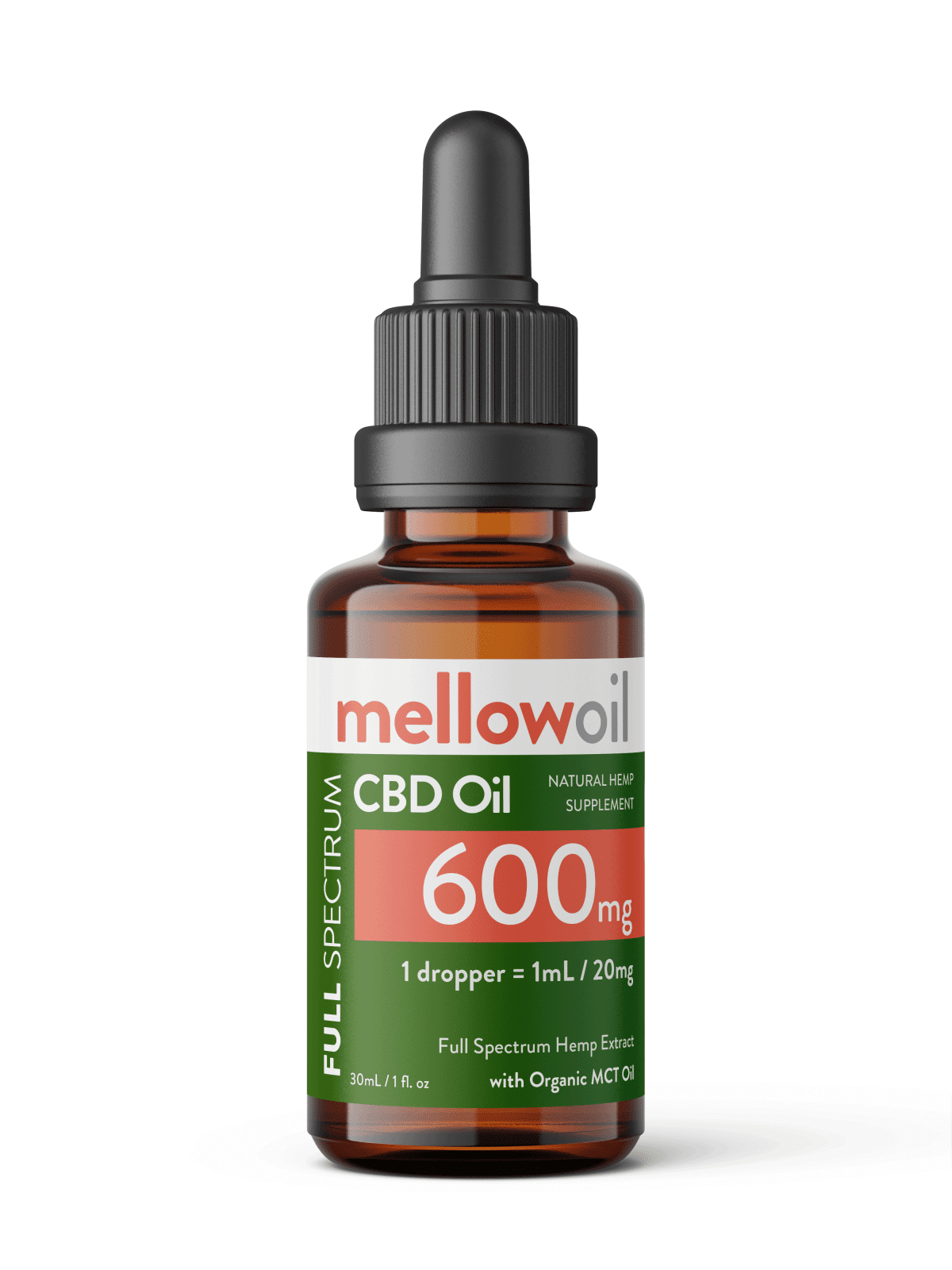
Full Spectrum CBD contains CBD plus all the other naturally occurring cannabinoids in the hemp plant — including trace amounts of THC (under 0.3%), terpenes, and flavonoids. Many users prefer full-spectrum because of the entourage effect: the idea that all these compounds work better together than in isolation.

Broad Spectrum CBD is similar to full-spectrum but with THC removed. A good choice if you want the entourage effect without any THC whatsoever.

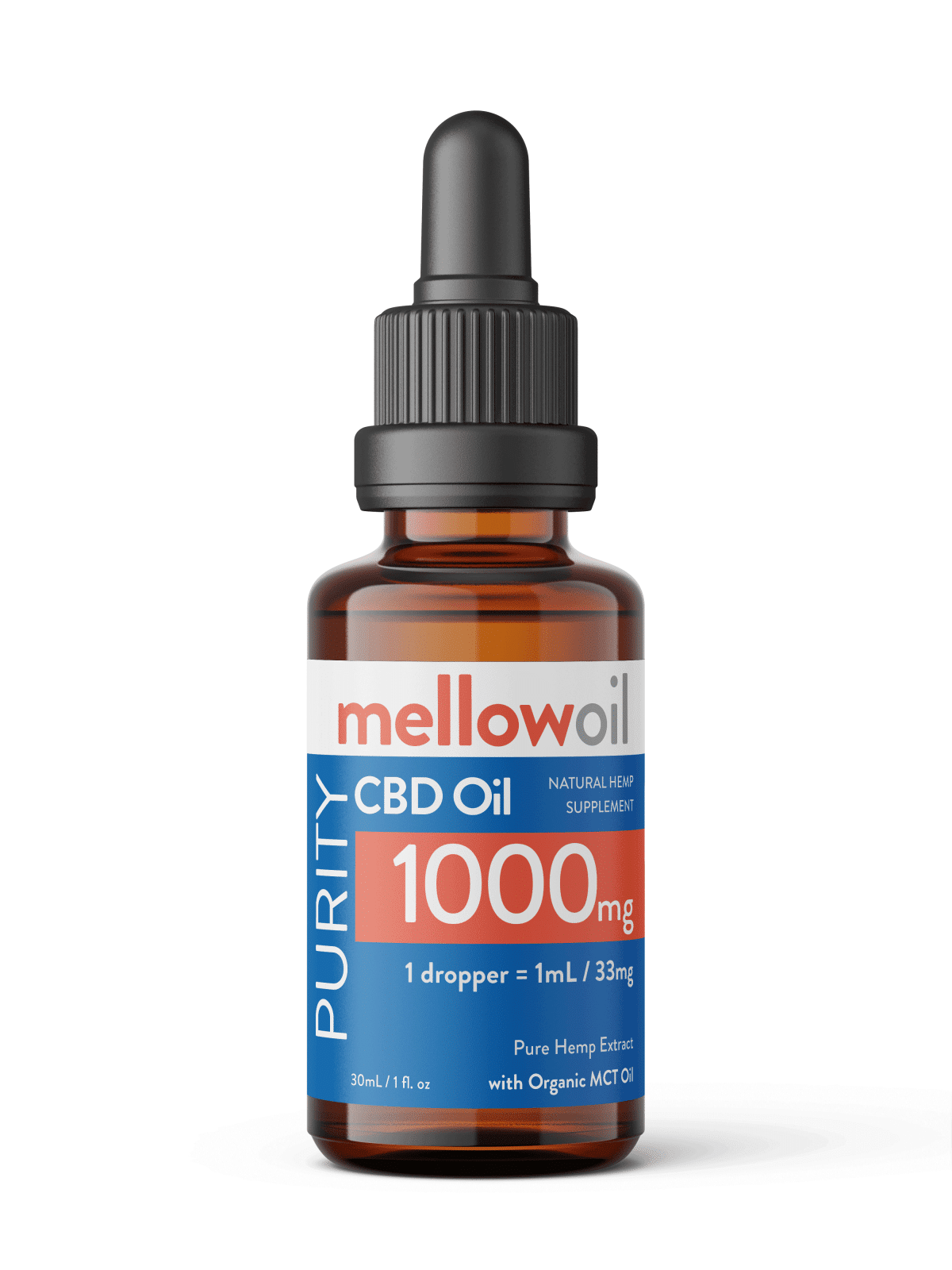
Pure CBD Isolate is pure crystalline CBD — 99%+ pure, with nothing else. It's odourless, tasteless, and easy to add to food, drinks, or DIY tinctures. Ideal for those who want total control over dosing.

What to Look for When Buying CBD in Canada

  1. Third-party lab testing. Every reputable brand publishes Certificates of Analysis (COAs) from independent labs. Look for potency confirmation and contaminant screening (heavy metals, pesticides, solvents).
  2. Canadian-sourced or Canadian-compliant hemp. Hemp grown or processed in Canada meets strict Health Canada standards.
  3. Clear labelling. The product should state the total CBD content in milligrams, not just a percentage.
  4. Extraction method. CO₂ extraction is the gold standard — no residual solvents, clean and efficient.
  5. Reputable vendor. Look for transparent companies that respond to customer questions and publish their lab results openly.

Common Uses

CBD is used by Canadians for a wide range of everyday wellness goals:

  • Supporting calm and stress management throughout the day
  • Promoting healthy sleep at night (often paired with CBN)
  • Managing post-workout muscle discomfort
  • Supporting joint comfort in older adults
  • Topical applications for localized skin and muscle relief

How to Take CBD Oil Correctly

Most Canadians buying CBD oil for the first time make the same mistake: they swallow it like a vitamin. That wastes most of the CBD.

Sublingual administration is the right method:

  1. Shake the bottle before each use (CBD can settle)
  2. Place drops under your tongue — not on top, not mixed into food
  3. Hold for 60–90 seconds before swallowing
  4. The mucous membrane under your tongue absorbs CBD directly into the bloodstream, bypassing first-pass metabolism in the liver

This sublingual route gives CBD approximately 20–35% bioavailability — significantly better than swallowing (6–19%). For a 1000mg bottle, that's the difference between 200mg and 350mg of actual active CBD reaching your system.

CBD Oil Dosage — Where to Start

There is no universal CBD dose. Weight, metabolism, individual endocannabinoid tone, and the condition you're addressing all affect your response. That said, most practitioners suggest a "low and slow" approach:

Body Weight Starting Dose Maintenance Dose
Under 60 kg 10–15 mg twice daily 20–40 mg/day
60–90 kg 15–25 mg twice daily 30–60 mg/day
Over 90 kg 20–30 mg twice daily 40–80 mg/day

Start at the low end and increase by 5mg every 3–5 days until you find the dose that works for you. Most people notice meaningful results within 2–4 weeks of consistent daily use.

How Long Does CBD Oil Take to Work?

  • Sublingual: 15–45 minutes for onset, effects last 4–6 hours
  • Capsules/gummies: 45–90 minutes for onset, effects last 6–8 hours (slower because of digestion, but longer-lasting)

For sleep and mood applications, most people don't experience full benefit until after 2–4 weeks of daily use, as CBD's regulatory effects on the endocannabinoid system build gradually.

CBD Oil vs. Capsules vs. Gummies — Which Is Right for You?

Format Pros Cons Best for
CBD oil Fastest onset, most adjustable dose, best bioavailability Taste (some find it earthy), less portable Daily users who want precise control
Capsules Tasteless, convenient, consistent dose Slower onset, can't adjust dose easily Those who prefer a supplement format
Gummies Tasty, portable, discreet Slowest onset, higher sugar intake Occasional use, travel, new users

CBD Oil Frequently Asked Questions

Will CBD oil make me fail a drug test? Pure CBD isolate products contain zero THC and are very unlikely to trigger a false positive. Full-spectrum products contain trace THC (under 0.3%) — at normal doses this is unlikely to produce a positive result, but if your livelihood depends on it, use isolate-based products to eliminate all risk.

Can I take CBD oil with other medications? CBD inhibits certain cytochrome P450 liver enzymes (CYP3A4, CYP2D6) which metabolize many common medications. This can affect how those drugs are processed. If you take blood thinners, antidepressants, anti-seizure medications, or any medication with a "grapefruit warning," consult your doctor before using CBD.

How do I store CBD oil? Store away from direct light and heat — a cupboard or drawer is ideal. Refrigeration is not required but can extend shelf life. Don't leave it in your car or near a window. Properly stored, most CBD oils are stable for 1–2 years from production.

Is there a difference between hemp oil and CBD oil? Yes — and this distinction matters. "Hemp oil" (or hemp seed oil) is pressed from hemp seeds and contains negligible amounts of CBD. It's a nutritious cooking oil but has no cannabinoid activity. "CBD oil" or "hemp extract" is derived from the hemp flower and leaves and contains meaningful CBD concentrations. Always check that a product lists CBD content in milligrams.


Ready to try? Browse our full selection of CBD oils, each third-party tested for potency and purity.

The information in this article is for educational purposes only and is not intended as medical advice. Always consult with a healthcare professional before starting any new supplement, including CBD products.

Not sure about your CBD dose?

Answer 3 quick questions and get a personalized starting dose based on your weight, age, and goal.

Try the Free Calculator →

Recommended Products

Related Articles